Bad news days: How to limit your child’s exposure to trauma in the media
Bad news days: How to limit your child’s exposure to trauma in the media

In addition to our busy lives, there’s a lot going on around us locally and across the world.

In addition to our busy lives, there’s a lot going on around us locally and across the world.
From bushfires and other natural disasters, to confronting stories of war, political angst, and pandemics – our kids are hearing it all from the schoolyard to the nightly news. And it can make them feel anxious.
We want to give you some tools for how to have conversations about difficult topics. We’ll look to update these from time to time, to ensure you can continue to help your kids through the world’s news.
The world can be a scary place for children. Wars, terrorist atrocities, natural disasters, bushfires, famine and shocking crimes are all regular features in the news we consume – not to mention the almost blanket coverage of the Covid-19 pandemic.
Registered Psychologist Charlotte Pugh from The Kids Research Institute Australia’s Embrace team, shares her advice for parents and carers of children who are distressed about things they see in the media.
Bad news days: How to limit your child’s exposure to trauma in the media
Bad news days: How to limit your child’s exposure to trauma in the media
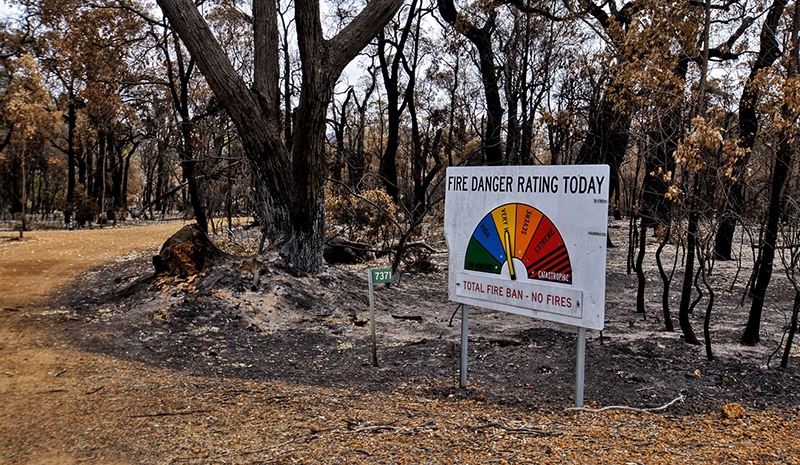
How summer bushfires can impact your family’s health
7 January 2021

Heatwave health: How to protect your family during extreme heat
8 January 2021
How the Australian bushfires can impact your family’s mental health
13 January 2020
How the Australian bushfires can impact your family’s physical health
13 January 2020