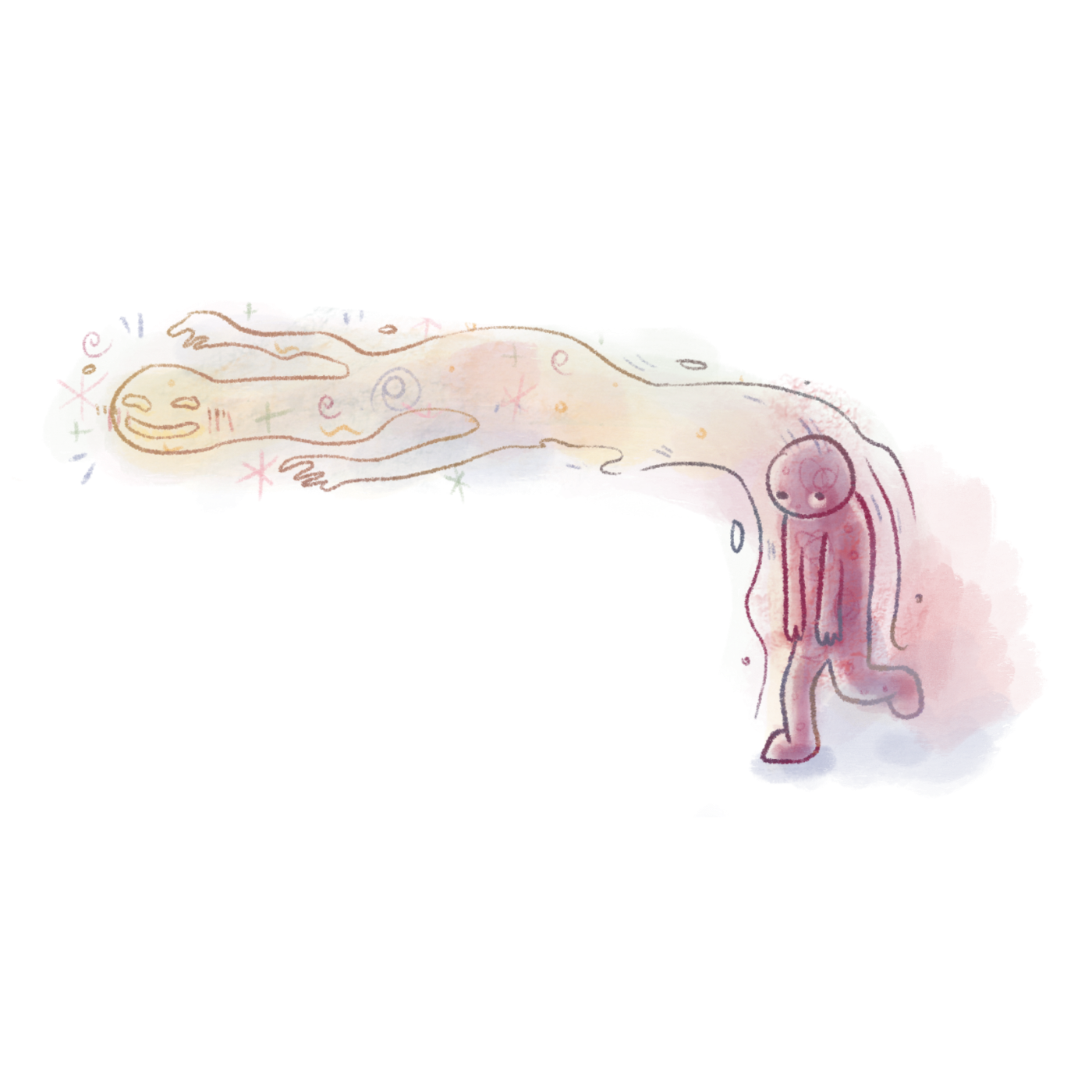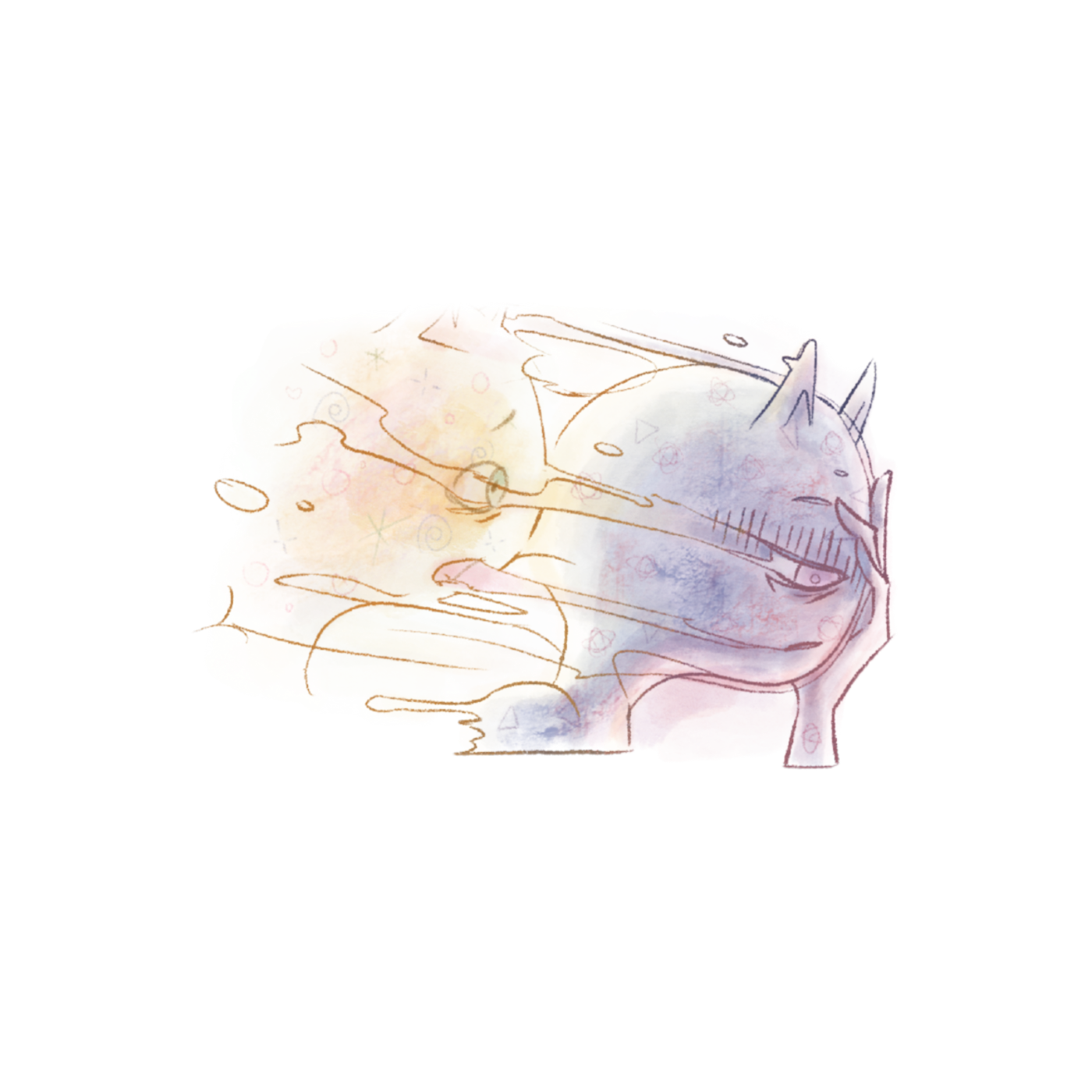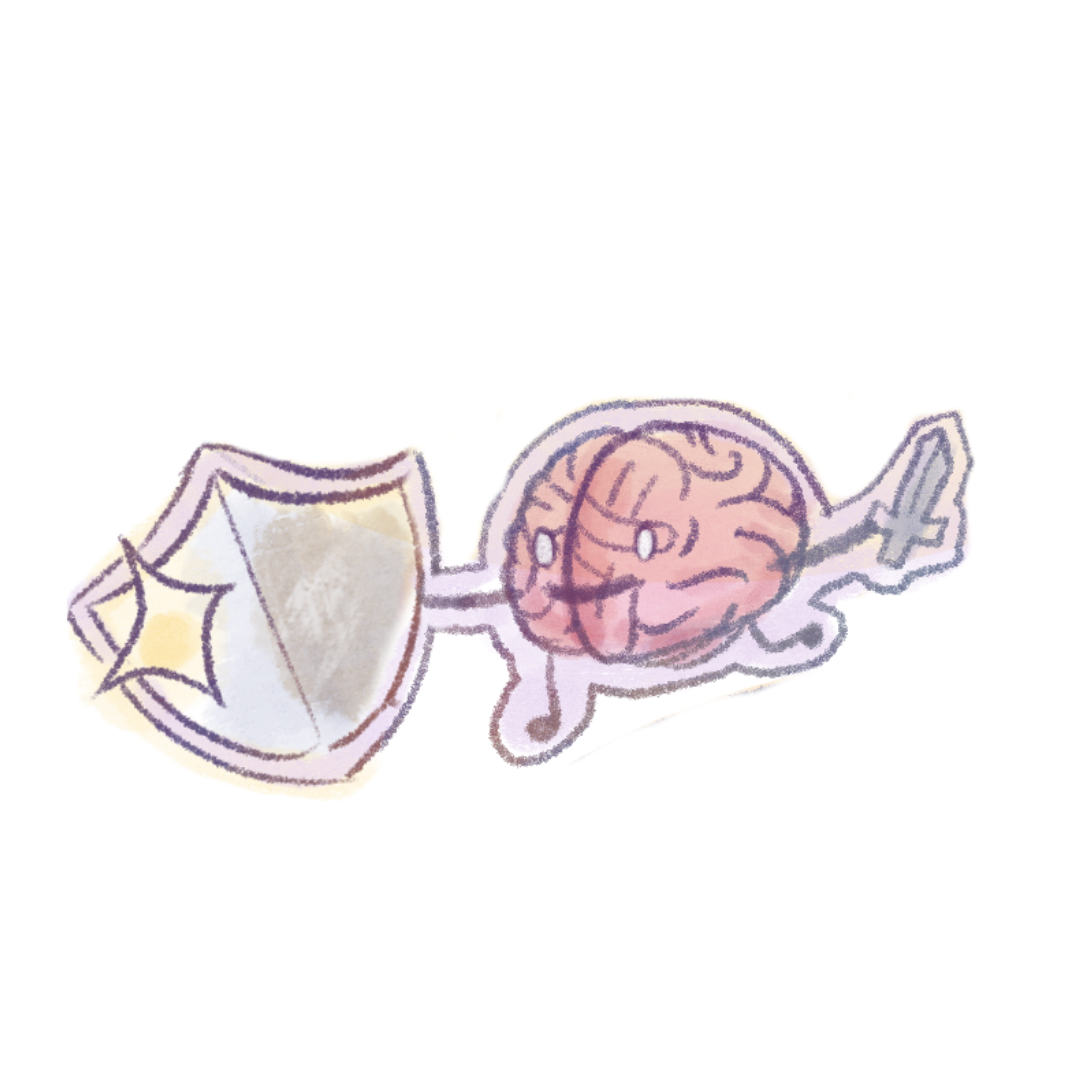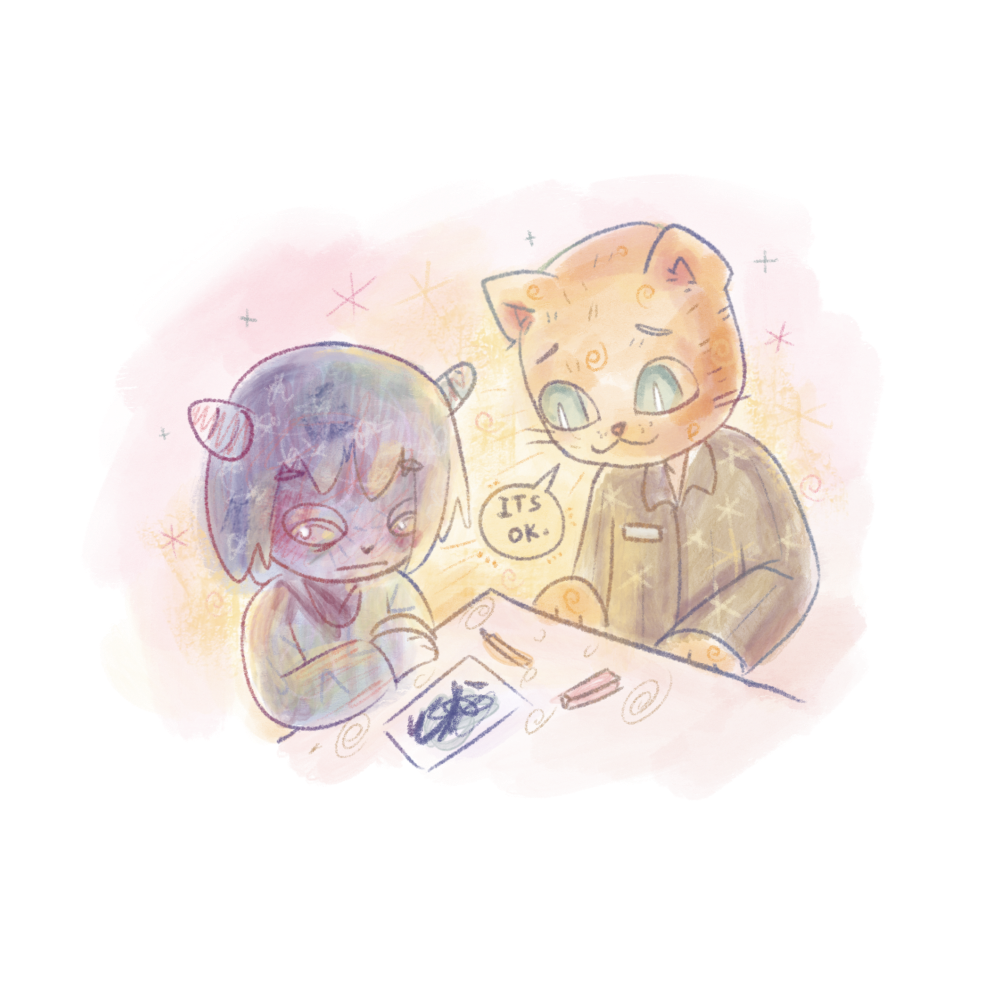
Dissociation is the brain’s way of protecting us during trauma by mentally switching off when we can’t escape.
In the moment, this can help young people cope with overwhelming experiences. But when dissociation continues after the danger has passed, it can leave young people feeling disconnected and struggling with learning, family and peer relationships, forming a stable sense of self, and joining in activities that would normally bring joy.
Without the right support, ongoing dissociation can also increase the risk of serious mental health difficulties later in life, such as post-traumatic stress, self-harm, and suicidal thoughts.
During our research project that investigated the experiences of children and adolescents who experience dissociation, we created a range of information sheets to explain dissociation.
Find the appropriate information sheet for your needs below.